DEEP DIVE

Life Expectancy Is Falling for the “Forgotten Middle”

By Tamara Straus
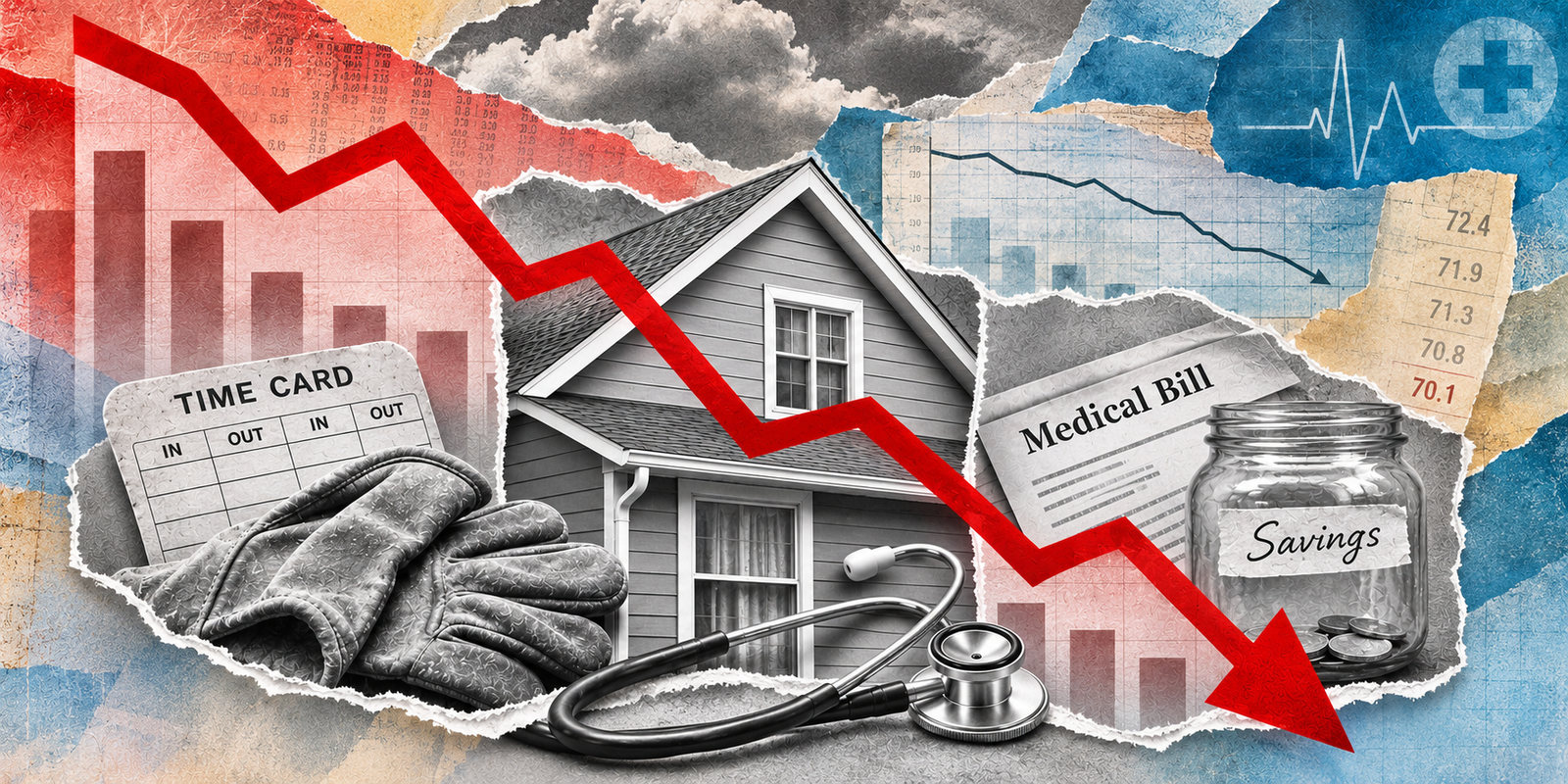

Reversing the rate of premature deaths among lower-middle-income Americans in their fifties takes new approaches to employment, housing and social connection.

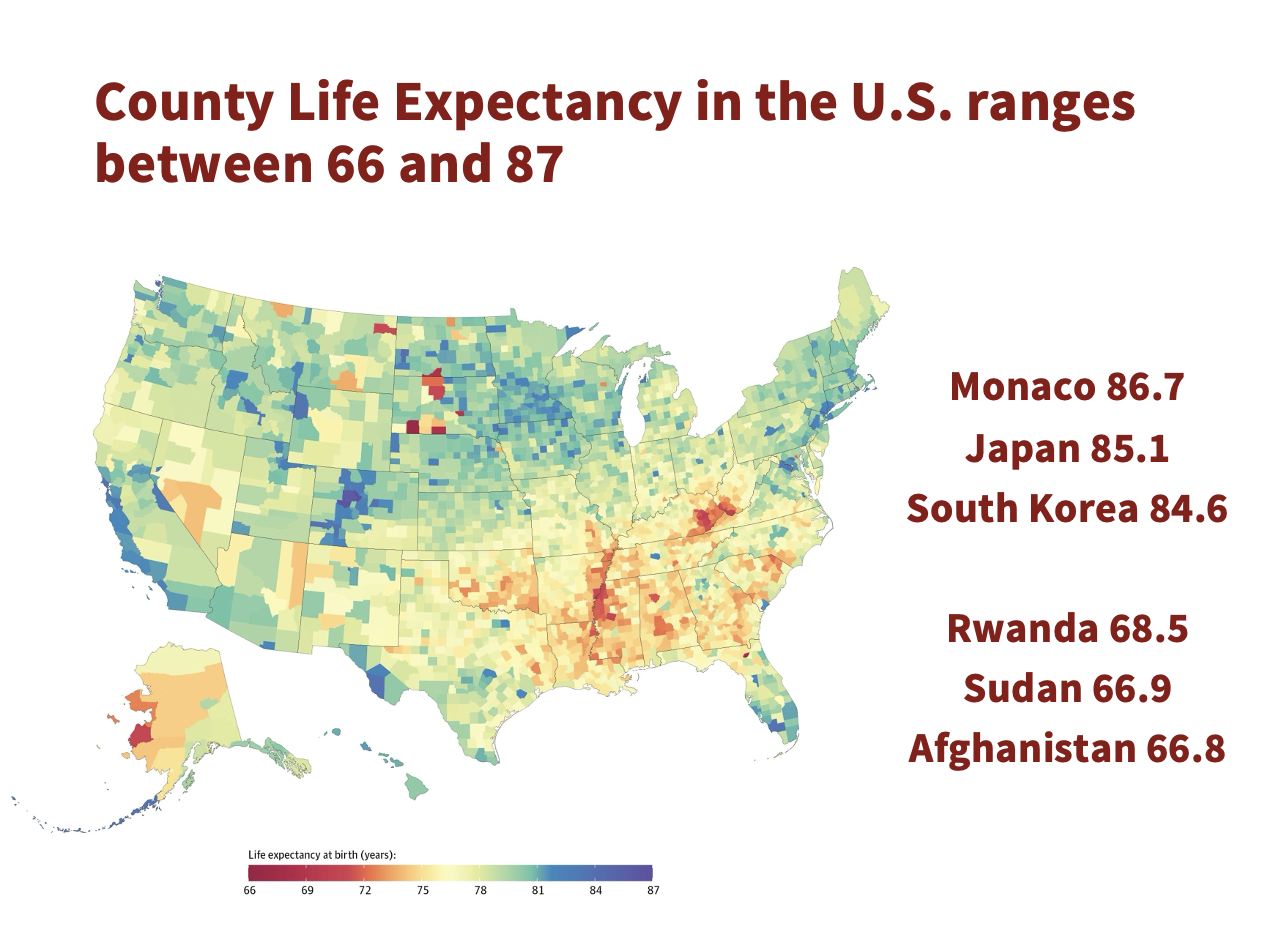
If you happen to be a resident of Marin County, Manhattan or Boulder, you’ve won the longevity lottery and can expect to live past 80 years, right up there with the inhabitants of Monaco, Japan and South Korea. But for the residents of the poorest U.S. counties, the average lifespan of 66 years ranks closer to Afghanistan, Sudan and Rwanda, per a JAMA Internal Medicine study.

For many Americans in these and other counties, life is shaped by intersecting effects of financial stress and chronic health problems. A 2025 study by Stanford health policy faculty and the Research Network on an Aging Society confirmed this; it also revealed a sobering regression in what has been a largely positive narrative about longer lifespans in the U.S. Analyzing data on 5.3 million residents with household incomes between $30,000 and $75,000, the researchers documented a clear decline in health and well-being over the past 20 years. The steepest drop was for lower-middle-income adults on the cusp of retirement, aged 50 to 59.

Dubbed the “forgotten middle” by the study’s authors, these workers earn too much to qualify for many sources of public assistance and too little to experience the mental and physical health benefits that come with economic security. As they approach 50, the financial pressures start manifesting as health problems: “We see more sick days, poor mental health days and other health-related interruptions than with people in any other income bracket,” says the study’s lead author David Rehkopf, director of the Stanford Center for Longevity and professor of epidemiology, medicine and sociology. 

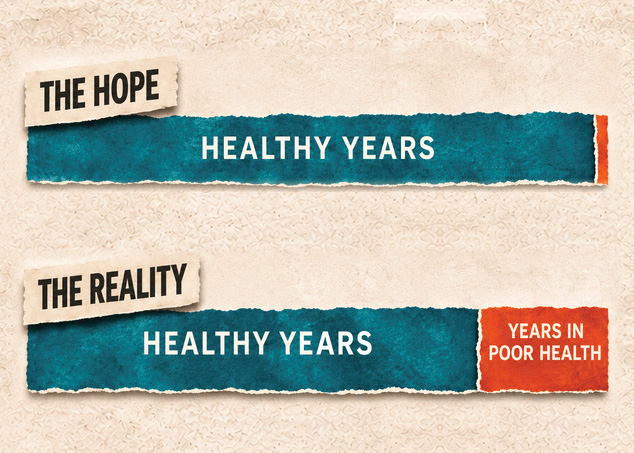
And this isn’t the problem of a single generation, Rehkopf warns. He and his coauthors see the same declines “for all people in the U.S. entering this age group over the last 20 years.” The researchers underscore that a healthy aging society depends on the “compression of morbidity” — living longer with a relatively short period of declining health near the end of life. But if poor health extends for years or decades, there will be major implications for healthcare spending and the solvency of the Medicare and Social Security trust funds. 

“Compared to global trends, the United States during the first quarter of the 21st century has been experiencing a tragedy of unfathomable scale,” says Rehkopf. His 2010 research shows that starting in the 1980s, life expectancy at birth in the U.S. has not kept pace with other high-income nations, and now ranks 61st globally, below Chile and Kuwait. High rates of drug overdose, suicide and other “deaths of despair” account for some excess mortality, but Rehkopf notes that a comprehensive analysis is still lacking. 
He and his fellow researchers are both dissecting and sounding the alarm on this American tragedy. In a recent JAMA commentary, Rehkopf quantified it, writing, “There were 314,307,151 years of life lost between 1999 and 2022. We are devastated personally by the lost years of patients, friends, and family.” Rehkopf and Jack Rowe, a Columbia University public health professor and SCL adviser, also note that the usual suspects — obesity, cancer, racial disparities, smoking rates — aren’t entirely to blame for lower life expectancy among the forgotten middle. The declines have persisted even as healthcare coverage has expanded for millions of people, primarily through the Affordable Care Act in 2010. 

“Healthcare is super important; it’s a very basic thing that everybody needs,” Rehkopf says. But “there’s a lot of other things outside the healthcare system that influence successful aging.” 

In a 2022 study on successful aging in the U.S., Rehkopf and his coauthors developed a five-domain index, and well-being was only part of the puzzle. The study found that security, connectedness, a sense of productivity and engagement, and equitable access to resources are just as important. Rehkopf noted one critical element of lower-middle-class life that could disrupt more than one of these: work. 
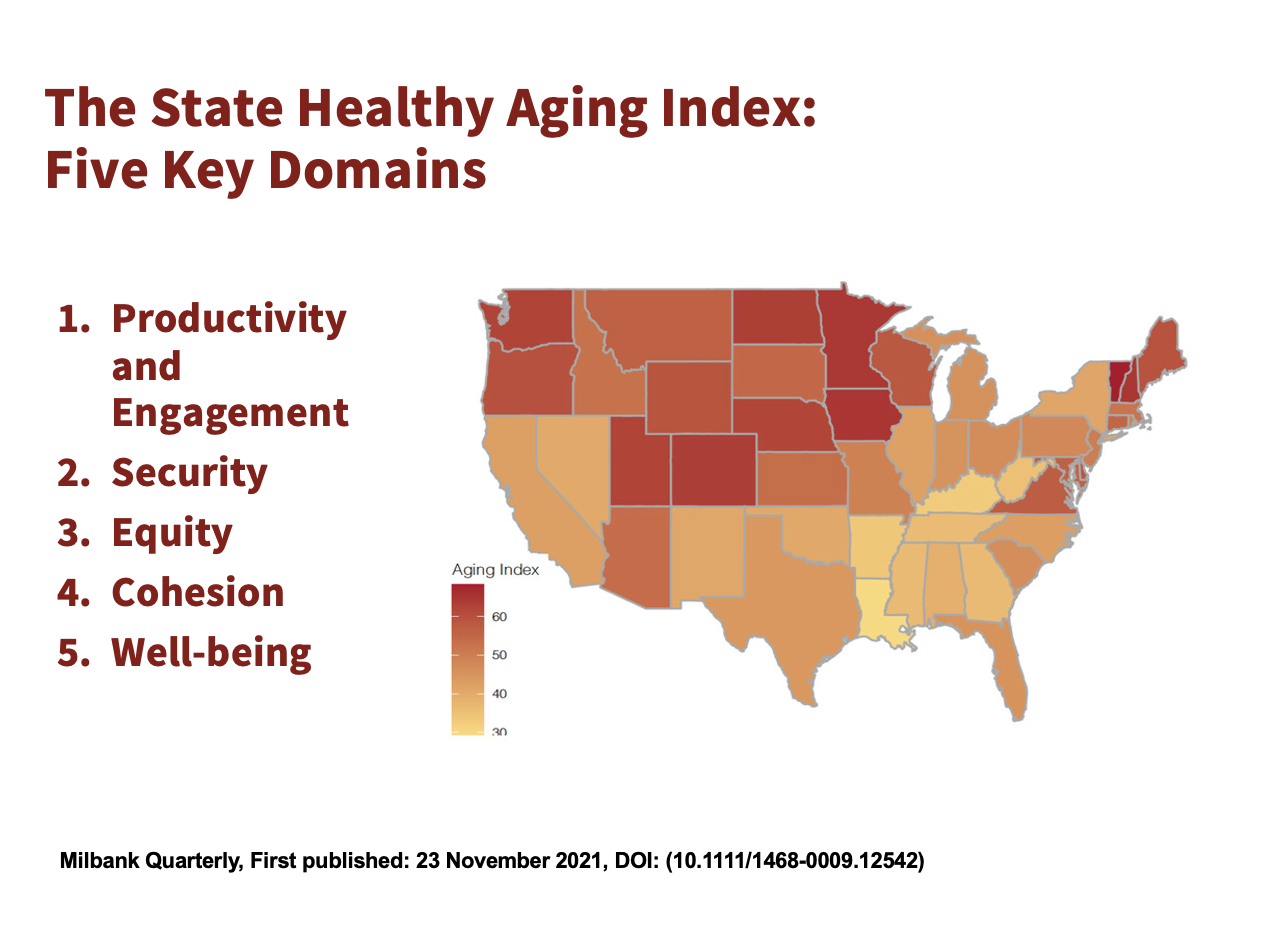
Work touches so many factors of healthy aging, Rehkopf says. “There’s the economic security that comes with it, the social connectedness, the productivity, the engagement that comes with work.” 

“Hardworking, Proud and Often Overlooked”

Michael P., a 59-year-old resident of Hopkinsville, Kentucky, interviewed by SCL Magazine, exemplifies the connection between work and well-being. He has both a debilitating health condition — diverticulitis, a condition caused by inflamed pockets in his colon — and job insecurity.

In 2025, Michael lost his job as a forklift operator because he missed too many days of work. “Didn’t matter that I had doctor’s notes,” he says. And when he lost the job, he lost his health insurance too. With help from the local career center, he found temporary work at a local discount store, but at low pay — $13 an hour. “I just got it because I needed to work,” he says, but the wage couldn’t cover his bills.

The career center found another job for Michael — this time in hydroblasting, a type of industrial power washing. The pay was better and the work was closer to his interests, but the job did not provide health insurance. In the meantime, he tried to manage his condition through diet alone. “Once I got let go, I just had to take care of myself,” Michael says. 

The plight of workers like Michael is familiar to those tasked with supporting the forgotten middle. “Many lower-middle-class older adults — age 50 to 64 — are hardworking, proud and often overlooked,” says Laura Woodrum, director of nursing for Lake Cumberland District Health Department in Kentucky’s Appalachian region. 

These workers have demanding jobs with limited benefits and get no public assistance, she says. They avoid healthcare and forgo preventative services due to cost. “Especially in rural areas in Kentucky, it’s common to see people in their fifties who already exhibit significant health decline before seeking care,” Woodrum says. 

Kentucky has the highest cancer rate in the U.S., along with high rates of obesity and chronic disease. Its average life expectancy of 73.6 years is among the lowest in the nation. But these poor health and life expectancy outcomes are not limited to Kentucky. According to Rehkopf’s 2025 study, lower-middle-class Americans ages 50 to 59 are falling behind their peers in states with both the worst and best health outcomes, and in states with the lowest and highest rates of health insurance coverage.   

Again, economic instability is the key thread. Studies from the RAND Corporation and the Research Network on an Aging Society show that less educated workers face a smaller set of low-middle-income jobs. Their positions are more likely to be temporary and less likely to offer benefits compared to 20 years ago. Gone is the security of pensions that previous generations relied upon. 

“This age group has been displaced by the dot-com bubble and now, again, by AI,” says Colby Hall, director of regional economic development at Craft Philanthropy in Kentucky. They’ve also been hit hard by the shift away from unskilled labor, he says. Hall estimates that job seekers in eastern Kentucky outnumber living-wage jobs, seven to one. And it can be even harder to find jobs for the pre-retirement age group.  

It’s not quick work, Hall says. “It’s sticking with one individual for six months, five years, or even a decade.” But in Kentucky — and for the forgotten middle — employment is more than a financial issue, Hall says. “It’s purpose, identity, integrity, providing for yourself and your family … things that are deep inside the human spirit.” 

Social Connection and Stable Housing

Americans today are highly stressed, about work, money, the environment and the future. Yet there is one intervention that does not require a massive policy intervention: social and community connection. 

The Harvard Study of Adult Development, which has analyzed American health and well-being since 1938, consistently confirms that social and community relationships are an elixir for mental and physical health. Their opposite, social isolation and loneliness, are related to heightened risk of poor physical health, low sleep quality, cognitive decline and early death, according to several meta studies.

Don Dybala, a 64-year-old transportation worker in Hotchkiss, Colorado, is in the connected camp. He regularly works full-time at $19 an hour for a rental car company at Montrose Regional Airport, though his employer designates him as “part-time casual.” Dybala gets no employer-sponsored healthcare or 401(k) benefits, making it impossible for him to save for retirement. “You pay utilities and car insurance and some kind of health insurance. There’s still not enough money,” he says, adding that he expects to work as long as physically possible.

Hearing the definition of the forgotten middle, Dybala said: “That’s me.” He hasn’t had salaried employment since he left Texas in his mid thirties to care for his ailing parents and to raise his daughter, but has remained a self-described “worker bee” running his own lawn maintenance and home improvement businesses in addition to doing hourly paid jobs. His main source of financial stability is the home he owns. “If I had to rent or buy a house now, I couldn’t do it,” he says. 

Still, Dybala is upbeat and in sharp physical and mental health. He spends most of his free time with his daughter, grandkids and extended family, and loves to play guitar and collect and fix old cars. Dybala illustrates findings from a forthcoming JAMA paper by Rehkopf, Rowe and the Research Network on an Aging Society, which finds that higher social support is associated with lower levels of stress in the forgotten middle group, and those without it can face rapid declines. 

The health policy researchers followed participants from 1995 to 2015, examining well-being, perceived stress, and social support in people aged 45 to 60 and found “stunning and rapid declines in well-being that are not only present in the poor but extend to the lower half of the middle class.” They advised, “Efforts should be directed to reducing financial-based stress directly, along with providing more opportunities for social support.”

Investments That Boost Well-Being and the Economy

What should that support look like in the absence of government funding? One small solution can be found in a community funding program of the Lander, Wyoming-based LOR Foundation. Launched in 2007 by medical device billionaire Amy Wyss and her husband, Ed Jaramillo, LOR funds locally led projects in rural towns of the Mountain West.

The foundation currently makes rapid grants of $1,000 to $30,000 — about three every business day — in seven towns. A recent $10,000 grant went to cover transportation, lodging and out-of-pocket costs for families seeking pediatric mental-health care in Cortez, Colorado. A $3,500 grant covered small-business training to reduce turnover and strengthen the workforce in Libby, Montana. A $30,000 grant helped create a permanent mammography suite at Weiser Memorial Hospital in Idaho, to give residents access to annual breast cancer screenings close to home.

Last year, the LOR Foundation worked with Gallup to conduct a national poll on the biggest motivators and barriers to people leading community projects. The poll found that 74 percent of participants thought they could make a positive impact in their community, but only about 6 percent were actually leading projects. The main barrier, unsurprisingly, was money.     

Jim King of Fahe, a network of 50-plus community-based nonprofits serving central Appalachia, has a lot to say about stress, financial stability and the power of local organizing. For more than 25 years as Fahe’s CEO, he’s been addressing chronic underinvestment in housing, employment, healthcare and caregiving in six states across central Appalachia. 

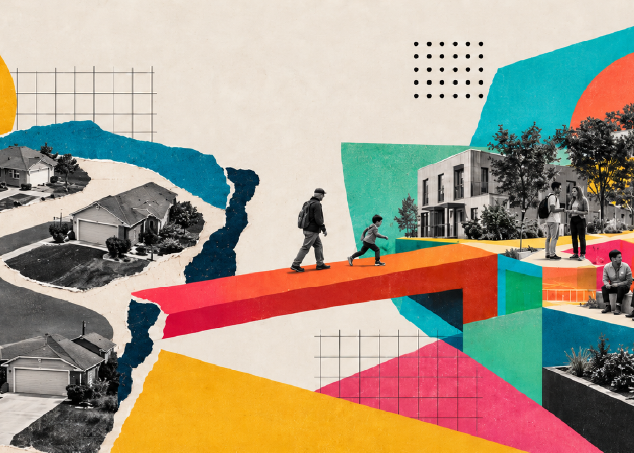
Fahe has long viewed homeownership as an important strategy for building wealth and financial stability. But when devastating floods struck eastern Kentucky in 2022, his organization took on an unprecedented challenge. “You drove for miles and miles and there was mud everywhere, stuff everywhere, debris everywhere, houses clean off of foundations, and the foundations over here and the houses over there,” he remembers. “Entire communities were overwhelmed.” 

Fahe partnered with Kentucky’s governor, state agencies and local organizations on flood relief and building new higher-ground communities with $300 million in federal disaster recovery funding — in what King describes as community-government cooperation that “I didn’t know was possible.” King is frustrated that it took a disaster to generate overdue investment. 

“Imagine if we decided that building a strong middle class was a national priority, that we were going to invest in decent housing, good jobs and healthy communities,” he says. “We know how to do these things. The question is whether we have the political will to do them at scale, before a crisis forces us to act.”

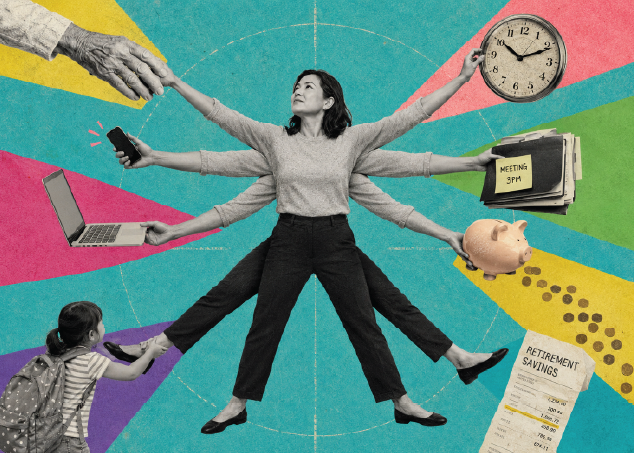
King sees similar challenges among people approaching retirement with chronic health conditions, limited savings and growing caregiving needs. “There’s a moral and social cost to ignoring these challenges, but there’s an economic cost as well,” he says. “We can invest in people now or pay a much higher price later. One way or another, we’re going to pay for it as a society.”


Tamara Straus is deputy editor of SCL Magazine. Donavyn Coffey contributed reporting for this story from Kentucky.

RELATED ARTICLES