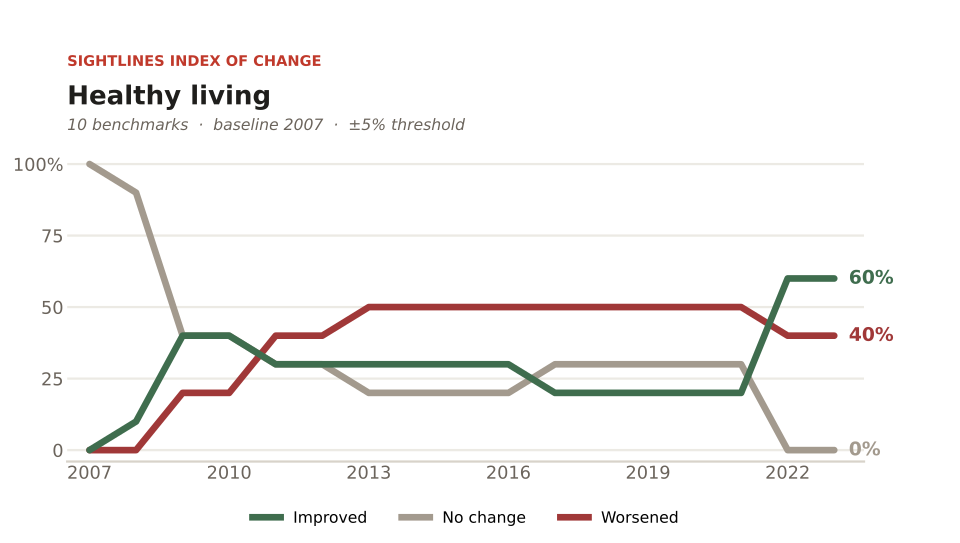
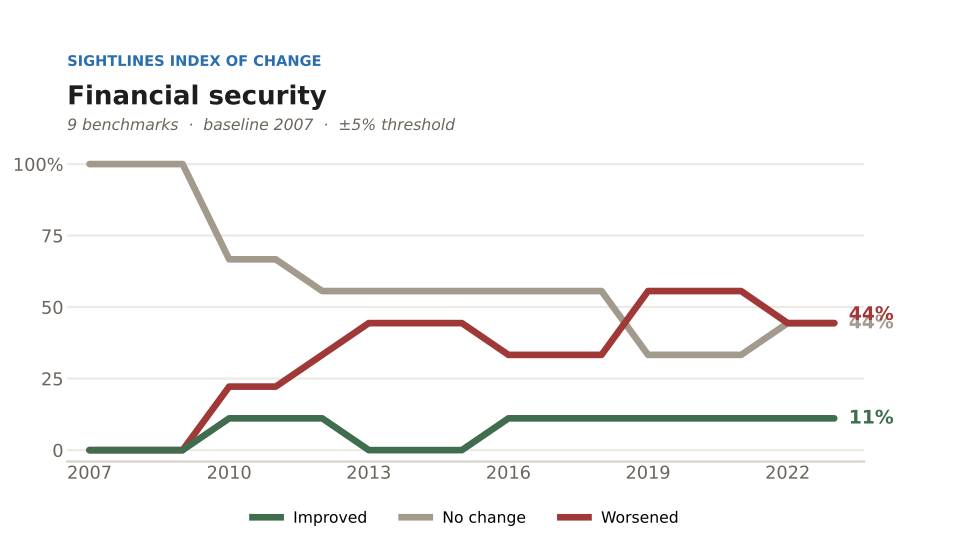
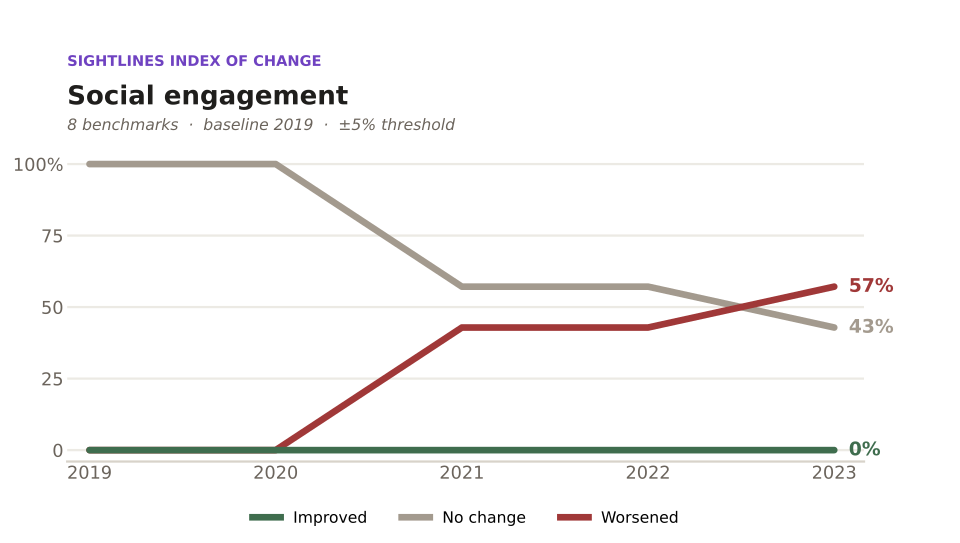
The Sightlines Project from the Stanford Center on Longevity offers a data-driven view of how Americans are navigating modern life. By tracking key indicators of well-being across health, financial security, and social engagement, it reveals where progress is happening—and where new approaches are needed. Grounded in rigorous research and designed to inform both policy and everyday decisions, the project includes an interactive tool for exploring trends over time. We’re starting with financial security and healthy living, with social engagement coming soon—offering a fuller picture of how Americans are doing across the decades.

SIGHTLINES STORY

Associations Between Sedentary Behavior, Socioeconomic Status, and Health Outcomes
Sedentary behavior is associated with an array of negative health outcomes. The negative effects of sitting for too long cannot be fully offset by physical activity.

Between 2007 and 2013, rates of sedentary behavior increased sharply but declined moderately between 2013 and 2022. Perhaps surprisingly, socioeconomic status is associated with higher rates of sedentary behavior across all ages. Among highly-educated and high-income people, there is less variability between age groups in sedentary behavior, suggesting a greater similarity in lifestyles. In contrast, among people with fewer years of education and lower income, sedentary behavior is more prevalent at older ages. Across years and ages, Hispanic people have the lowest levels of sedentary behavior, while White people have the highest.

Clearly, there is a need to introduce more movement into Americans’ daily lives. Policymakers, employers, and educational institutions can all help instill the importance of an active lifestyle and create opportunities for people to increase their daily activity levels through changes to policies and environments.


KEY TAKEAWAYS

  • Between 2007 and 2013, rates of sedentary behavior increased sharply but subsequently declined moderately between 2013 and 2022
  • Surprisingly, higher socioeconomic status is associated with higher rates of sedentary behavior across all ages
  • Among highly-educated and high-income people, there is less variability between age groups in sedentary behavior

Definition (+example): Percent of individuals who report spending 300 minutes per day or less sitting at work, at home, including sitting at a desk, sitting with friends, traveling in a car, bus, or train, reading, playing cards, watching television, or using a computer, but NOT sleeping.

E.g. A person who reports sitting for their whole 8-hour work day every day will be considered sedentary.