
@SCL
Making Sense of Peptide Mania
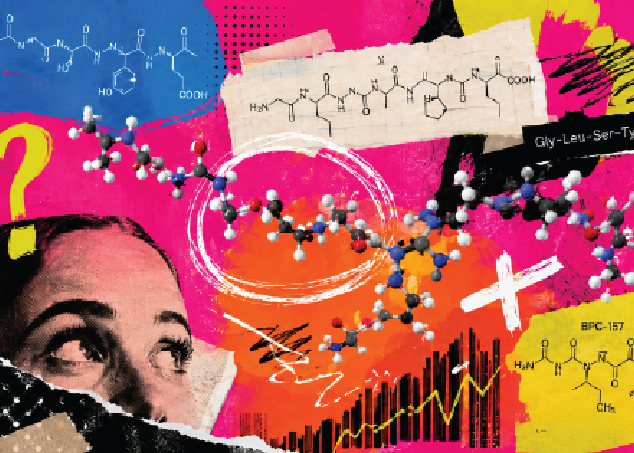
Researchers at Stanford Medicine caution that the online wellness market for peptides is outpacing scientific evidence. Peptides are short chains of acids that regulate metabolic functions such as appetite, blood sugar, sleep and immunity.
Some products marketed for weight loss, muscle growth, recovery or anti-aging have been tested only in animals and may contain contaminants or lack correct dosage information when consumers buy them online to self-administer, the Stanford Medicine researchers say. In contrast, FDA-approved peptide drugs such as insulin and GLP-1 medications have undergone rigorous clinical testing. Researchers expect peptide-based treatments to expand, potentially addressing chronic conditions like Alzheimer’s disease. The key takeaway: Peptides hold significant medical promise, but their safety and effectiveness depend on rigorous human research and proper regulation.
Read the Stanford Medicine article: Peptides Are Buzzing: But What Does the Science Say?
KEEP READING
FIVE QUESTIONS
Andrew Scott on Baby Busts and Growth Booms
ALT/SHIFT
Making Time to Talk About Life’s End
DEEP DIVE
Rebuilding the On-Ramp to Adulthood
GRANDPEOPLE
The Traveling Nanas
GAME CHANGER
Lucy Marcil on Money as Medicine
FINANCING LONGER LIVES
What Aging Parents Want the “Kids” to Know
LONGEVITY LITERACY
Palliative Aesthetics
@SCL:
- Sightlines Project Reveals Paradoxical Pattern in Americans’ Health Behaviors
- Bernardo Mackenna: How Bodies “Tell the Story”
- Making Sense of Peptide Mania
Enjoying SCL Magazine?