
FROM THE EDITOR
 The longevity conversation is often — and understandably — focused on what happens later in life. Yet research increasingly shows that the foundation for longer, healthier lives is laid in life’s first quarter, before birth through childhood and early adulthood, where the benefits (or deficits) can compound for decades. In contrast to stories focused on aging, SCL Magazine’s stories are for anyone interested in the science and socioeconomics of long lives.
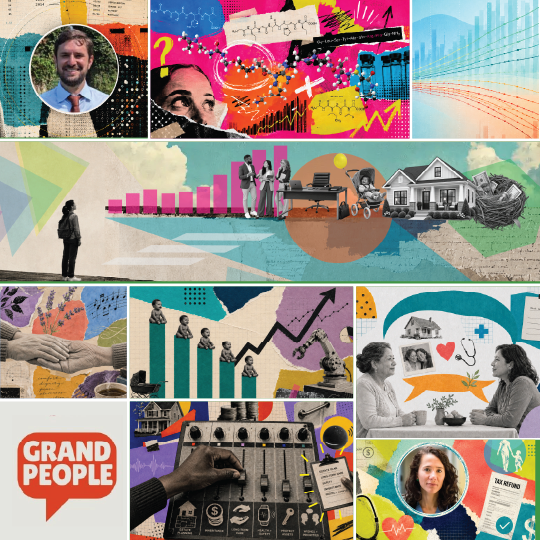
Our Game Changer profile by Monique Brouillette is about Boston pediatrician Lucy Marcil, who launched StreetCred, a program that offers financial services to low-income families during routine checkups, reducing stress and improving health for children and caregivers alike. Deputy editor Tamara Straus has Five Questions for economist Andrew Scott on why, contrary to projections, plunging birth rates have not yet led to lower economic growth.
For all the promising aspects of longer lives, getting started on what we describe as the new map of life can be challenging. While young people entering the job market are likely to work far longer than previous generations, 50 years or more by some estimates, once-reliable career paths are bumpy and receding. The losses for young people struggling to enter today’s job market result not only in individual effects; they also have society-wide repercussions. We asked Dawn Carpenter, director of financial longevity at the Milken Institute and founding director of the Solidarity Economy Workshop at Georgetown University, to write this month’s Deep Dive on how we can rebuild the vanishing on-ramp to adulthood. Having a stable first job means a paycheck and the chance to start saving, but, as Dawn writes, “money is not the only thing that compounds. Skills do. Relationships do. So do credit history, professional reputation and the practical knowledge of how institutions work.”
The future of aging is being transformed by medical and technological advances, but despite what the biohackers preach, the end of life is still inevitable, and for most people, a touchy subject. Chloe Veltman reports in Alt/Shift on the Conversation Project, helping people talk about what matters most to them as they prepare to die. Laura M. Holson explores a form of compassionate care known as palliative aesthetics in Longevity Literacy. And MP Dunleavey, in her column on Financing Longer Lives, has tips for navigating the complexities of sharing sensitive family financial information between aging parents and adult children.
I was tickled to hear about a reader who describes SCL Magazine as “a kind of New Yorker for life- and healthspan issues.” While we don’t (yet) offer cartoons, we hope you find mirth in our latest GrandPeople episode: The “Traveling Nanas” are a pair of 85-year-old adventurers who sealed their friendship with a ride on the Trans-Siberian Railroad when they were only 60 and have since traveled the globe together, marveling at the warmth and spirit of human beings everywhere.
As these stories show, there’s a lot we can do on our own, and far more as a society, to improve our collective odds to live healthier, longer lives shaped by connection and purpose — and, as the traveling Nanas remind us, to have fun along the way. As Dolly Parton said, “I can’t stop long enough to grow old. I’m just gonna be the best I can at whatever age I am.” In her spirit, we hope you find fresh inspiration in our September issue.
Karen Breslau
Editor
KEEP READING
FIVE QUESTIONS
Andrew Scott on Baby Busts and Growth Booms
ALT/SHIFT
Making Time to Talk About Life’s End
DEEP DIVE
Rebuilding the On-Ramp to Adulthood
GRANDPEOPLE
The Traveling Nanas
GAME CHANGER
Lucy Marcil on Money as Medicine
FINANCING LONGER LIVES
What Aging Parents Want the “Kids” to Know
LONGEVITY LITERACY
Palliative Aesthetics
@SCL:
- Sightlines Project Reveals Paradoxical Pattern in Americans’ Health Behaviors
- Bernardo Mackenna: How Bodies “Tell the Story”
- Making Sense of Peptide Mania
Enjoying SCL Magazine?