
FROM THE EDITOR
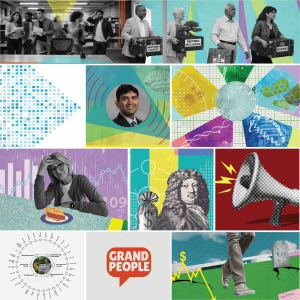 Disruption is the defining force of our time. We feel change erupting everywhere — in the news, in our jobs and careers, in our families and daily lives — all of it shaking our assumptions about what the future holds.
Yet few of us feel equipped to navigate the transitions life throws our way, some so profound they register as “lifequakes,” according to Bruce Feiler, author of Life Is in the Transitions. Read Richard Eisenberg’s “Five Questions” with Feiler to better understand how to get through disruptive periods and find new meaning in their wake, an essential skill in the longevity tool kit. You’ll find an invitation to submit your own “lifequake,” and we may select your story to share with SCL Magazine readers.
Disruption is also rocking the workplace. Artificial intelligence is already reshaping hiring patterns and job advancement, while at the same time, restrictive immigration policies in the United States and plunging birth rates throughout the world have disrupted two main sources of new workers. The U.S. Census Bureau reported in January that U.S. population growth slowed to a level not seen since the pandemic, and at one of the lowest rates in American history.
With fewer new workers entering the workforce, why aren’t employers placing greater value on the skilled people they already have? And if, as studies show, experience improves outcomes, why are so many organizations structured to push people out just as their value peaks? In this month’s Deep Dive, SCL Ambassador Annie Coleman makes the case for the longevity dividend available to businesses that retain their most experienced talent, casting aside deeply held assumptions and biases about older workers. That, in my view, is the kind of disruption workers and employers alike would benefit from.
In Alt/Shift, Laura Holson reports on the disruptive effects, some unintended, that wearable health and wellness devices are having on our behavior. And if you ever wondered about the meaning of multiomics but were afraid to ask, we’ve got you.
The Stanford Center on Longevity is looking for business case studies. If your company or organization has experience with building an age-diverse workforce or other longevity innovations, we’d like to hear about your results. See the submission form in the @SCL section, at the end of our issue, or submit here.
Keep sending your feedback, story ideas and, yes, your lifequakes to [email protected].
Disruptively yours,
— Karen Breslau
KEEP READING
FIVE QUESTIONS
Bruce Feiler on Mastering Life Transitions at Any Age
ALT/SHIFT
How Much Health Data is Too Much?
FINANCING LONGER LIVES
Retirement Income Gap Sparks Innovation
DEEP DIVE
Why More Companies Are Recognizing the Benefits of Keeping Older Employees
GRANDPEOPLE
Soufflé Chef Takes her Final Bow at 90
FROM THE EDITOR
LONGEVITY LITERACY
Multiomics
GAME CHANGER
An Ultrasound Helmet to Cleanse the Brain
@SCL:
SCL at World Economic Forum
Call for Case Study Submissions
Longevity Design Challenge Finals