If healthcare is the beachhead, reaching the consumer directly has been the harder battle. Virtual communities, companionship apps and education platforms aimed at reducing social isolation in older adults — loneliness has been shown to pose significant health risks — have largely struggled to find sustainable business models, Levy says. Two of Primetime’s three investments in social connection platforms have shut down. The core challenge: Older adults often don’t self-identify as lonely or in need of companionship, and no one has emerged as a reliable payer.
There’s a need among older people, “the end user,” Levy says, but how you get to that end user is a challenge, “and then who pays for it?” This mismatch between user need and financial architecture is one of the most frequently cited frustrations among longevity investors.
Even physical products face the same headwind: Older consumers desperately want solutions but emphatically do not want to feel old. Max Zamkow, managing partner at Third Act Ventures and chief investment officer at the telehealth platform Bask Health, has watched multiple products fail because they were designed with caregivers’ peace of mind — not the user’s dignity — as the primary goal. “As an older adult, one of the things you’re very sensitive to, understandably, is your loss of independence,” he says. “If you have your adult child buying new things that are now monitoring you and making you feel more infantilized, you’re going to unplug it, throw it away, stop using it, or not use it at all, and anything that is in that category almost instantly fails.”
The most durable consumer products, Zamkow argues, are the ones that happen to serve older users without announcing that intention — what Rob Chess, a Stanford Graduate School of Business lecturer who co-created one of the first courses on the longevity economy, calls “stealth design.” The 50+ market is significant enough that in 2020, Chess and Laura Carstensen, director of the Stanford Center on Longevity, began co-teaching a Stanford business course looking at the opportunities and challenges of developing and marketing successful products and services for the over-50 demographic. One of their favorite case studies examines how Nike developed an extra-support running shoes for “slow runners” (i.e., older customers) but found that young, superstar athletes are still its best endorsers.
“Nobody wants to buy an old person’s anything,” quips Carstensen, a professor of psychology. A generation ago, companies wanting to connect with older consumers might have tried marketing strategies that seem condescending or pitying by today’s standards.
Joe & Bella, a Primetime Partners portfolio company making adaptive clothing for people with physical and cognitive limitations, is case in point. It has succeeded because its garments look nothing like what you’d find in a 1980s medical catalog. “Personal identity — it’s just there, it’s innate,” says Joe & Bella cofounder Jimmy Zollo, who watched his once well-dressed grandmother scream in pain while getting ready for visitors. His solution is a line of clothing designed for easy on and off, with magnet clasps instead of buttons or zippers.

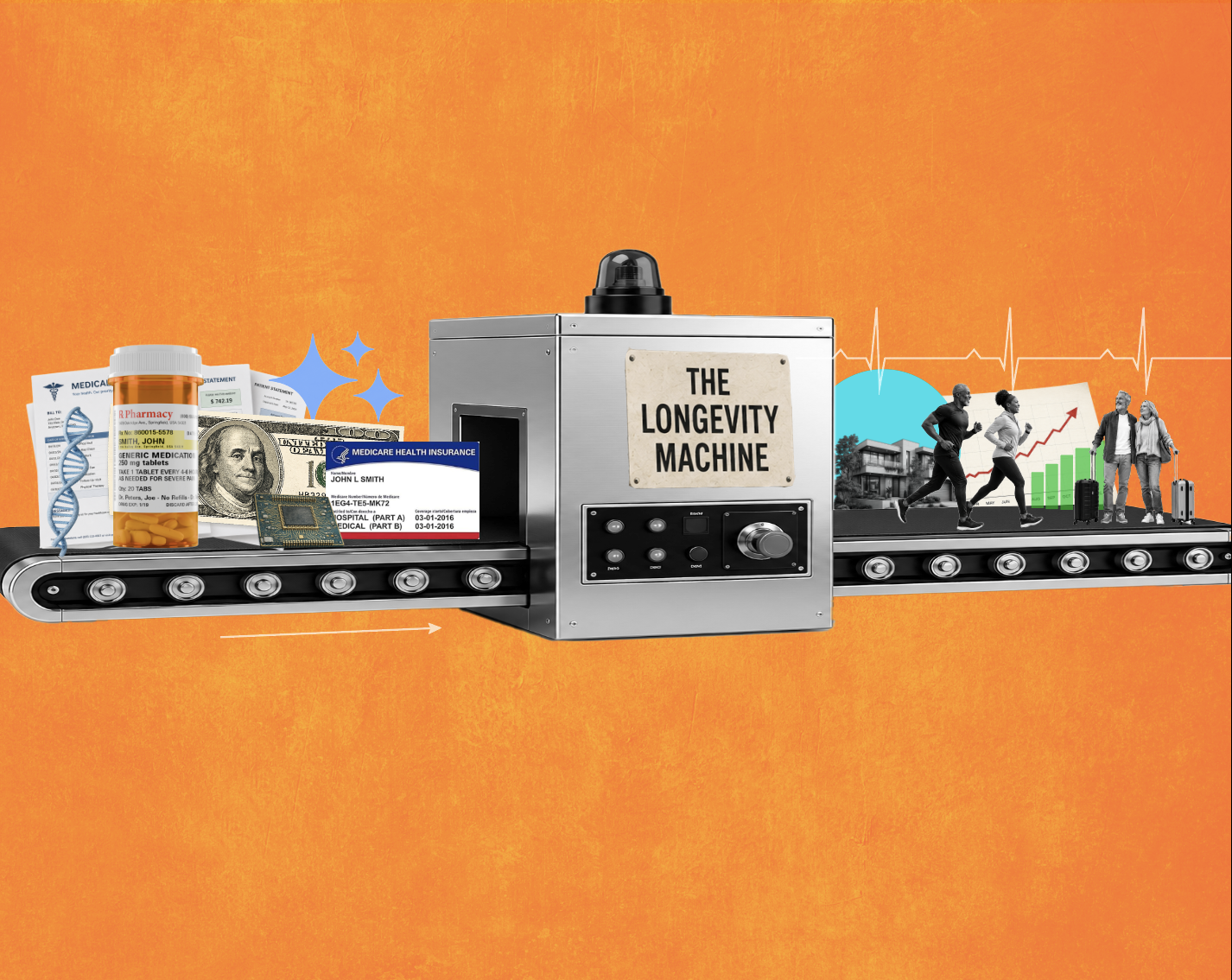 Venture capitalists assess the startup landscape for companies serving people 50+.