• Link to Youtube
  • Link to LinkedIn
Stanford Center on Longevity
  • ABOUT
    • GENERAL
      • About SCL
      • Annual Reports
      • Contact
    • PEOPLE
      • Leadership, Scholars & Staff
      • New Map of Life Impact Fellows
      • Faculty Affiliates
      • Advisory Council
      • SCL Ambassadors
    • AFFILIATED CENTERS
      • Stanford Distinguished Careers Institute
      • Glenn Foundation for Medical Research
      • Stanford Lifestyle Medicine
  • RESEARCH & INNOVATION
    • The New Map of Life Initiative
    • Postdoctoral Fellows Program
    • The Futures Project on Education and Learning for Longer Lives
    • The Sightlines Project
    • Longevity Design Challenge
    • Publications
  • MEDIA & EVENTS
    • SCL Magazine
    • Longevity Book Club
    • Century Summit
    • Century Lives Podcast
    • SCL in the News
    • Videos
  • ENGAGEMENT OPPORTUNITIES
    • Press inquiries
    • Postdoctoral Fellowship application
    • Industrial Affiliates Program
    • Stanford Courses
    • Make a gift
  • Click to open the search input field Click to open the search input field Search
  • Menu Menu

Volunteering in Adolescence May Reduce Crime Involvement in Adulthood

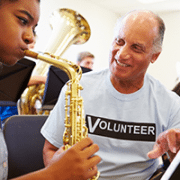
Researchers used Add Health data to investigate the impact of volunteering on crime involvement later in life, as studies have shown that volunteerism or community service can increase levels of prosocial behavior, belonging, and happiness among adolescents. Participants reported their illegal behaviors, arrests, and convictions during Waves III and IV of Add Health.

Read more

https://longevity.stanford.edu/wp-content/uploads/2017/04/addhealth.png 200 360 admin https://longevity.stanford.edu/wp-content/uploads/2025/05/SCL-Logo-1-300x118.png admin2017-04-17 19:55:002017-04-17 19:56:49Volunteering in Adolescence May Reduce Crime Involvement in Adulthood

Leaving a Legacy to Future Generations

For most of her career, Dorothy Keenan worked with older adults, eventually becoming the supervisor of senior services in Fairfax County, Va. But three years ago, as a retiree, she decided to focus on the younger generation, volunteering at elementary schools that primarily serve lower-income children.

Read more

https://longevity.stanford.edu/wp-content/uploads/2017/04/encoreVolunteering.png 200 360 admin https://longevity.stanford.edu/wp-content/uploads/2025/05/SCL-Logo-1-300x118.png admin2017-04-17 16:29:432017-04-21 16:29:54Leaving a Legacy to Future Generations

National Volunteer Month: How Giving Back Boosts Seniors’ Health

April is National Volunteer Month, a time to show appreciation for volunteers, and hopefully inspire others to take up a worthy cause as well.  While the people and organizations who rely on volunteers certainly benefit from the assistance, studies show that the volunteers themselves have much to gain from these experiences. From physical to mental health, participating in volunteering activities can be especially beneficial for seniors.

Read more


https://longevity.stanford.edu/wp-content/uploads/2017/05/sunriseSenior.png 200 360 admin https://longevity.stanford.edu/wp-content/uploads/2025/05/SCL-Logo-1-300x118.png admin2017-04-10 15:49:312017-05-18 15:49:46National Volunteer Month: How Giving Back Boosts Seniors’ Health

Underlying Motivations of Volunteering Across Life Stages: A Study of Volunteers in Nonprofit Organizations in Nevada

Volunteering is beneficial not only for individuals’ well-being but also for society’s well-being; yet only a fraction of U.S. citizens regularly engage in volunteer activities. This study examined how underlying motivations are associated with interest in volunteering for individuals in three major life phases: early, middle, and later adulthood.

Read more

https://longevity.stanford.edu/wp-content/uploads/2017/03/volunteerstudyThumb.png 200 360 admin https://longevity.stanford.edu/wp-content/uploads/2025/05/SCL-Logo-1-300x118.png admin2017-03-26 16:36:182017-03-29 16:36:30Underlying Motivations of Volunteering Across Life Stages: A Study of Volunteers in Nonprofit Organizations in Nevada

Mad Volunteer Scientists: Do You Know the Way To San Jose?

Pairing older adult volunteers with children is the ultimate intergenerational win-win. Research shows that from volunteerism springs more purpose and better health. Kids benefit from more attention, higher self-esteem, and better grades.

Read more

https://longevity.stanford.edu/wp-content/uploads/2017/02/Mad-scientist.png 200 365 admin https://longevity.stanford.edu/wp-content/uploads/2025/05/SCL-Logo-1-300x118.png admin2017-02-13 20:09:342017-03-09 04:22:59Mad Volunteer Scientists: Do You Know the Way To San Jose?

As World Grays, Seniors Step Up to Create an ‘Age-Friendly’ Future

A new graffiti crew, clutching canisters of green spray paint, is roaming the streets of Levenshulme, but they are not tagging walls. Instead, the “graffiti grannies” – a group of activist pensioners – in this postindustrial suburb of Manchester, England, mark every hole in the sidewalk that could trip them up, challenging the city council to bring in the pavers. As players in a growing “age-friendly” movement, they are part of a revolution in the ways that cities are adapting to their rapidly aging populations.

Read more

https://longevity.stanford.edu/wp-content/uploads/2017/05/christianScience.png 200 360 admin https://longevity.stanford.edu/wp-content/uploads/2025/05/SCL-Logo-1-300x118.png admin2017-01-02 16:13:012017-05-18 16:13:17As World Grays, Seniors Step Up to Create an ‘Age-Friendly’ Future

How To Find The Ideal Place To Volunteer

How do you find the right place to volunteer? Kerry Hannon from Forbes has nine tips for finding an ideal volunteering gig based on your background and goals…Read more

https://longevity.stanford.edu/wp-content/uploads/2016/05/Choice-1.png 200 360 admin https://longevity.stanford.edu/wp-content/uploads/2025/05/SCL-Logo-1-300x118.png admin2016-05-11 04:36:242017-02-03 23:40:48How To Find The Ideal Place To Volunteer

Successful Aging in the Context of the Disablement Process: Working and Volunteering as Moderators on the Association Between Chronic Conditions and Subsequent Functional Limitations

Research published in the Journal of Gerontology in 2016 found that working and volunteering were both associated with a reduction in functional limitation derived from chronic health conditions. Productive activity, the authors argue, is vital for successful aging…Read more

https://longevity.stanford.edu/wp-content/uploads/2016/05/wheelchair-1.png 200 360 admin https://longevity.stanford.edu/wp-content/uploads/2025/05/SCL-Logo-1-300x118.png admin2016-05-03 04:43:482017-02-03 23:41:08Successful Aging in the Context of the Disablement Process: Working and Volunteering as Moderators on the Association Between Chronic Conditions and Subsequent Functional Limitations

The Third Age of Life: Leveraging the Mutual Benefits of Intergenerational Engagement

Longevity expert Dr. Dawn Carr of Florida State University argues that intergenerational engagement is an untapped resource for reducing inequality and increasing quality of life for people of all ages…Read more

https://longevity.stanford.edu/wp-content/uploads/2016/04/Choice-1.png 200 360 admin https://longevity.stanford.edu/wp-content/uploads/2025/05/SCL-Logo-1-300x118.png admin2016-04-27 04:46:072017-02-03 23:41:36The Third Age of Life: Leveraging the Mutual Benefits of Intergenerational Engagement

The Voluntourist’s Dilemma

Does volunteering always do what it is supposed to: help the disadvantaged? A New York Times reporter investigated the rise of international “voluntourism,” and its often negative affects on alleviating global poverty…Read more

https://longevity.stanford.edu/wp-content/uploads/2016/03/voluntourism-1.png 200 360 admin https://longevity.stanford.edu/wp-content/uploads/2025/05/SCL-Logo-1-300x118.png admin2016-03-22 04:36:302017-02-03 23:42:00The Voluntourist’s Dilemma
Page 1 of 212
 

© Copyright - Stanford Center on Longevity
  • Link to Youtube
  • Link to LinkedIn
Scroll to top Scroll to top Scroll to top