
FROM THE EDITOR
Dear Readers,
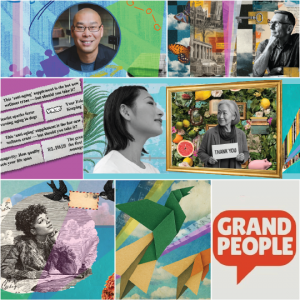 We launched SCL Magazine earlier this year as a chronicle of the rapid and profound changes shaping an era of unprecedented human longevity. The challenge, collectively and individually, is to get beyond the perceptions and limitations associated with “old age” and to reimagine every life stage, moving beyond the conventional three-chapter model of education, career and retirement.
The Stanford Center on Longevity’s New Map of Life initiative envisions a more vibrant and flexible life course where transitions are the norm, where better health and independence are possible, and there are fewer expiration dates on opportunities for learning, social engagement and economic advancement.
How to prepare for a 100-year life is one of the most essential questions we explore. One key element is financial security, without which the promise of longevity remains out of reach for too many.
This month, we’re introducing the first in a series of stories about financing longer lives by MP Dunleavey, an accomplished journalist who has written for Next Avenue, The New York Times, and Kiplinger. As financial planning evolves into longevity planning, we are going to need new ways to look at financial literacy, saving, investing, and solvency. And the financial services industry will need to develop new products and services that people will need over longer lives.
As MP reports in this month’s Deep Dive, the first financial planning tool to reach for is a mirror. Research shows that creating a relationship with your future self means making better decisions in the present — and not only about money.
The New Map of Life is a blueprint that requires iteration and testing. To help with that, SCL has selected professionals with expertise in a range of disciplines for its Ambassadors Program to road–test its principles in real life. They’ve organized themselves into “tiger teams” exploring innovations in higher education, age-diverse workforces, the longevity economy and media representations of older adults. In the coming months, we’ll bring you conversations about their work, starting in this issue with SCL Ambassador Simon Chan, who is reimagining universities as intergenerational community hubs. Also in this issue, Amy Nelson digs into this phenomenon, reporting on the University of Minnesota’‘s new Midlife Academy serving the fast-growing population of adults over 50.
As the holiday season begins, I hope you enjoy Nancy Davis Kho’s essay exploring an age-old gratitude practice that’s good for your heart, soul, and — science now shows — your brain. Hint: Your mother has told you to do this.
I hope you read, enjoy, and share this issue. And please keep your story ideas coming: [email protected].
With — what else? — gratitude,
Karen Breslau
Editor
KEEP READING
FROM THE EDITOR
DEEP DIVE
Hey, Stranger … The Power of Investing in the Older You
ALT/SHIFT
Gratitude Adds More Than Years
GAME CHANGER
Helping Campuses Tap a Growing Market
LONGEVITY LITERACY
Middlescence
LIFELONG LEARNING
Midlife 101: Majoring in What Comes Next
@SCL
What’s Real and What’s Hype
Composing a Long, Vibrant Life