
RECOMMENDED READING
END GAME
Rob Epstein and Jeffrey Friedman
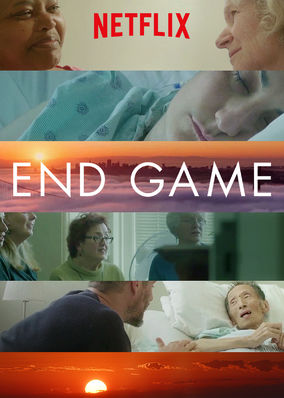
Typically we recommend articles or books we’ve read that we find particularly relevant or interesting to our work. In this case, it is a new, unflinching documentary about dying and death. End Game is an honest exploration of the wide range of emotions and decisions that patients and their families face near the end of life.
What I appreciate the most about this film is that it gives those of us who have not yet experienced this first-hand a sense of the complexity of the decisions that patients and their families face. Usually when people discuss “end-of-life decision-making”, you think of DNRs and living wills. In this film, we see the decisions can include whether or not to pursue chemotherapy, where to spend your last weeks, whether or not to participate in clinical trials or donate tissue after death, and how and when to include family members and children at the bedside. We also see the sensitive moments of when two family members have differing ideas about what their loved one might want.
This film is of course a tear-jerker but also is inspiring and extremely loving. It is hard to put into words the powerful emotional component of this film.
If you’re like me, you’ll want to watch it the first time alone (with a box of tissues). And then view it together with a loved one. And if you don’t have a Netflix account, invite yourself over to a friend or family member that does! When the last credit rolls, be open to the conversation that is bound to follow.
 This film was recommended by Amy Yotopoulos, Senior Research Scholar and Director of the Mind Division at the Stanford Center on Longevity.