
COMBATTING COVID-19 MISINFORMATION
By Susan Nash
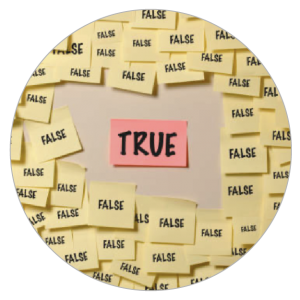 Misinformation about COVID-19 runs the gamut from false lists of symptoms to outrageous claims of miracle cures. Dr. Dr Tedros Adhanom Ghebreyesus, director of the World Health Organization, warns that “we’re not just fighting an epidemic; we’re fighting an infodemic. Fake news spreads faster and more easily than this virus, and is just as dangerous.”
It’s especially tough to figure out what’s true and what’s not given the amount of “real” news about the virus coming out every day. Here are some places you can go to get the facts and debunk the rumors:
WHO site: The World Health Organization provides rolling updates on the spread of COVID-19, as well as a practical and current set of questions and answers, ranging from whether a pet can transmit the virus to the safety of packages sent through the mail.
CDC.gov: The Center for Disease Control provides simple links for basic information, such as how to protect yourself and what to do if you get sick.
AFP verification hub: The international news agency AFP has started a coronavirus verification hub with “debunks, tips [and] trustworthy sources.” The site addresses false claims made around the world, such as the supposed (but not true) emergence of a new hantavirus disease in China.
Factcheck.org: Factcheck has launched a Coronavirus Coverage page that helps readers check claims soon after they surface, including the April Fools’ Day rumor that students will have to repeat the school year due to the pandemic.
Snopes.com: Snopes has compiled coronavirus claims fact-checked by category, including conspiracy theories, viral videos, and government responses.
Politifact.com: Politifact has identified 19 of the most common COVID-19 prevention and treatment myths, rated “False” or “Pants on Fire,” including the false assertions that drinking hot water with lemon slices and hanging clothes in the sun to dry will fend off the virus.
Metafact.io – If you still can’t find the answer, this site allows users to ask questions directly, then aggregates responses from thousands of independent researchers and experts.
 Susan Nash is a visiting scholar at the Stanford Center on Longevity.
