
RECOMMENDED READING
IMPACT OF HEALTHY LIFESTYLE FACTORS ON LIFE EXPECTANCIES IN THE US POPULATION
Yangping Li, MD PhD, An Pan, PhD and associates
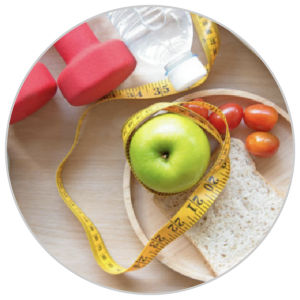 It has become common knowledge that making lifestyle changes can increase life span. In this comprehensive study from the Circulation journal of the American Heart Association, the authors go a step further and estimate just how large this effect can be. Based on their analysis of over 42,000 people, Americans can increase life expectancy at age 50 by 14.0 years for women and 12.2 years for men if five lifestyle habits are adopted. What’s more, the five factors examined – regular physical activity, not smoking, adopting a healthy diet, maintaining a healthy BMI, and moderate alcohol consumption – result in additive gains, meaning that as each factor is added, gains continue to accrue. That means that making improvements to one factor adds roughly two years, two factors adds four years, etc.
The studies’ conclusions on alcohol consumption are likely to be the most controversial, as the data suggests that zero consumption and high consumption (defined as about 3 or more drinks per day) confer approximately the same risk, with amounts in between increasing life expectancy. While this is consistent with previous observations of cardiovascular benefits from moderate alcohol consumption, there has been no long term trial conducted on the effect of alcohol on chronic disease.
There are, of course, no guarantees. These results are statistical in nature and individuals die for a myriad of reasons. Negative lifestyle factors such as illicit drug use, opioid addiction, or working in a risky profession can offset gains made by adopting healthy behaviors elsewhere. If you are looking to identify basic habits that can prolong your life, however, this is a good place to start.
 This article was recommended by Ken Smith, Senior Research Scholar and Director of the Mobility Division, and Design Challenge leader at the Stanford Center on Longevity.